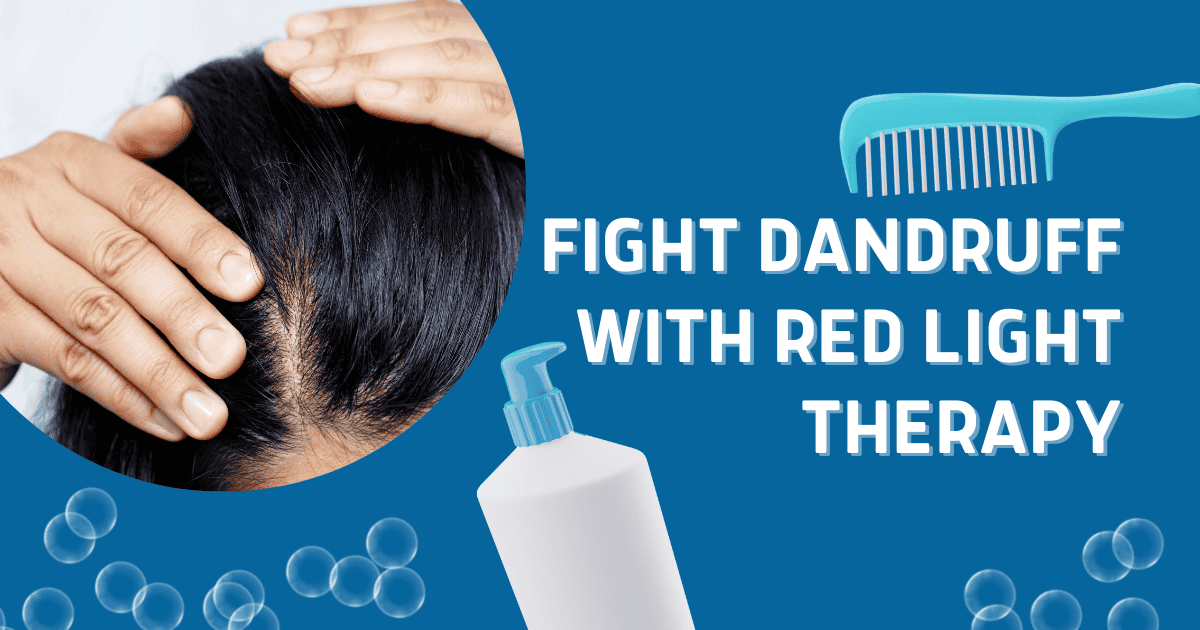
Dry scalp and dandruff are common scalp conditions that can cause itching, flaking, and irritation. While traditional treatments like medicated shampoos and oils can provide temporary relief, they often fail to address the root causes effectively.
Red light therapy (RLT) has emerged as a scientifically-backed solution, offering a non-invasive way to improve scalp hydration, reduce inflammation, and promote overall scalp health.
Key Takeaways
- Red light therapy (RLT) improves scalp hydration by enhancing blood flow and cellular energy production.
- It reduces inflammation, a primary trigger for dandruff and dry scalp.
- Combining red light with blue light therapy can target both bacterial overgrowth and deeper scalp issues.
- Consistent use of FDA-cleared devices can lead to noticeable improvements in scalp health within weeks.
Understanding Dry Scalp and Dandruff
What Causes Dry Scalp?
Dry scalp occurs when the skin on the head lacks sufficient moisture. Common causes include:
- Environmental factors: Cold weather or excessive heat can strip moisture from the scalp.
- Harsh hair products: Shampoos with sulfates or alcohol can dry out the skin.
- Underlying conditions: Psoriasis, eczema, or seborrheic dermatitis may contribute to dryness.
What Causes Dandruff?
Dandruff is characterized by flaky skin on the scalp and is often caused by:
- Malassezia yeast overgrowth: This naturally occurring yeast can irritate the scalp when its population becomes unbalanced.
- Excess sebum production: Overproduction of oil creates an environment conducive to yeast growth.
- Inflammation: Chronic irritation leads to flaking and redness.
How Red Light Therapy Works for Scalp Hydration
Red light therapy uses wavelengths between 600–850 nm to penetrate the skin and stimulate cellular processes. Here’s how it helps combat dry scalp and dandruff:
1. Enhances Blood Circulation
RLT stimulates capillaries under the scalp, increasing blood flow. This delivers oxygen and nutrients to hair follicles, promoting hydration and reducing dryness.
2. Boosts Cellular Energy Production
Red light activates mitochondria in skin cells, increasing ATP production—the energy source for cellular functions. This supports repair processes in damaged or dry skin.
3. Reduces Inflammation
Inflammation is a major contributor to dandruff and dry scalp conditions. RLT decreases pro-inflammatory cytokines, soothing irritation and redness.
4. Promotes Collagen Production
Collagen strengthens the skin’s barrier function, helping it retain moisture more effectively. RLT stimulates collagen synthesis, improving elasticity and hydration.
Combining Red Light Therapy with Blue Light Therapy
While red light therapy targets deeper layers of the skin, blue light therapy works on the surface to address bacterial overgrowth and oil imbalance.
| Feature | Red Light Therapy | Blue Light Therapy |
|---|---|---|
| Wavelength | 600–850 nm | 450–495 nm |
| Penetration Depth | Dermis (deep layers) | Epidermis (surface layers) |
| Benefits | Improves circulation; reduces inflammation; promotes collagen production | Kills bacteria; balances oil production; calms inflammation |
| Ideal Use | Chronic dryness; inflammation | Dandruff caused by microbial issues |
Combining both therapies provides a comprehensive approach to scalp health.
Clinical Evidence Supporting Red Light Therapy
Several studies highlight the effectiveness of RLT for improving scalp health:
- Research published in Dermatology Times found that dual-wavelength devices reduced pruritus (itching) and irritation associated with dandruff[4].
- A study from KoreaMed demonstrated significant reductions in redness, scaling, and itching after eight weeks of consistent use of home-use LED devices[1][2].
- Anecdotal evidence from users shows noticeable improvements in dryness and flaking within weeks of starting RLT treatments[3].
Related: Red Light Therapy For Different Hair Types
How to Use Red Light Therapy for Dry Scalp and Dandruff
Step 1: Select an FDA-Cleared Device
Look for devices designed for scalp treatment:
- Wavelengths between 600–850 nm are ideal for red light therapy.
- Devices combining red and blue light offer added benefits for dandruff caused by microbial imbalance.
Step 2: Establish a Routine
Consistency is key:
- Use RLT for 15–20 minutes per session, 3–5 times per week.
- Avoid overuse to prevent irritation.
Step 3: Pair with Gentle Hair Care
Combine therapy with products designed for sensitive scalps:
- Use sulfate-free shampoos.
- Apply hydrating serums or oils post-treatment.
Practical Tips for Effective Use
Here are some tips to maximize results:
- Start Slowly: Begin with shorter sessions to assess your scalp’s response.
- Monitor Progress: Track changes in flaking, redness, and itchiness weekly.
- Avoid Harsh Products: After therapy sessions, avoid alcohol-based toners or drying shampoos.
Recommended Devices for Scalp Hydration
| Device Name | Features | Price Range |
|---|---|---|
| iRestore Essential | Helmet design; 600 nm wavelength | $200–$400 |
| Revian RED | Dual-wavelength technology (620 & 660 nm) | $499 |
| Hammacher Infrared Brush | Combines red (660 nm) & blue (470 nm) wavelengths | $99 |
These devices are effective when used consistently over several weeks.
Conclusion
In the quest for a healthier scalp, traditional treatments often fall short by addressing symptoms rather than causes.
Red light therapy emerges as a revolutionary approach that targets the root issues of dry scalp and dandruff. By enhancing blood circulation, boosting cellular energy production, and reducing inflammation, this non-invasive therapy creates an environment where scalp hydration naturally improves and irritation subsides.
Incorporating red light therapy into your hair care routine offers practical benefits beyond temporary relief.
A consistent schedule of 15-20 minute sessions several times weekly, combined with gentle hair products, can transform scalp health within weeks. The dual-wavelength approach—combining red light for deeper tissue repair with blue light for surface bacterial balance—provides comprehensive care that medicated shampoos cannot match.
Your journey to a comfortable, flake-free scalp doesn’t require harsh chemicals or constant treatment. Red light therapy empowers you to address scalp issues at their source, potentially eliminating the frustrating cycle of temporary relief and recurring symptoms.
With science-backed technology now available in home devices, the path to sustainable scalp health and confidence is at your fingertips.
FAQ
What is the difference between dandruff and dry scalp?
Dandruff and dry scalp share similar symptoms like flaking and itching, but they have different underlying causes. Dandruff results from an overgrowth of Malassezia yeast and excess sebum production, creating large, oily white or yellowish flakes that often stick to the hair and scalp. Dry scalp, conversely, occurs due to insufficient moisture in the skin, producing smaller, dry white flakes that easily fall off and a feeling of tightness or irritation.
| Characteristic | Dandruff | Dry Scalp |
|---|---|---|
| Flake appearance | Large, oily, yellowish | Small, dry, white |
| Root cause | Fungal imbalance, excess oil | Lack of moisture |
| Scalp feel | Oily, irritated | Tight, itchy |
| Common triggers | Stress, hormones, diet | Weather, harsh products, dehydration |
Can dandruff be cured permanently?
Dandruff cannot be cured permanently. Approximately 70% of the population is genetically predisposed to dandruff, making it a chronic condition that requires ongoing management. However, you can effectively control flare-ups through:
- Regular use of anti-fungal or medicated shampoos
- Stress management techniques like meditation or exercise
- Maintaining a scalp-friendly diet low in sugars and inflammatory foods
- Consistent scalp care routines including red light therapy
With proper management, many people experience extended periods without noticeable symptoms.
What foods should I avoid if I have dandruff?
Several foods can trigger or worsen dandruff by feeding yeast or increasing inflammation. Consider reducing your consumption of:
- Sugary foods and refined carbs: These feed the Malassezia yeast that contributes to dandruff
- Spicy foods: Can increase inflammation and irritation
- White wine and champagne: Contain histamines that may trigger flare-ups
- Full-fat dairy products: May increase sebum production
- Processed foods: Often contain inflammatory ingredients
Instead, focus on anti-inflammatory foods rich in omega-3 fatty acids, zinc, and B vitamins to support scalp health.
Should I apply conditioner to my scalp if I have dandruff?
Applying conditioner directly to your scalp when you have dandruff isn’t recommended. While it won’t necessarily worsen the condition, most conditioners:
- Add unnecessary weight to your roots, creating limp-looking hair
- May contain ingredients that feed Malassezia yeast
- Can build up on the scalp, potentially worsening flaking
Better approach: Use a targeted scalp treatment designed for flaky/itchy conditions before conditioning, then apply your regular conditioner only to the mid-lengths and ends of your hair. This provides moisture where needed without compromising scalp health.
How does red light therapy help with dandruff and dry scalp?
Red light therapy addresses the root causes of both dandruff and dry scalp through multiple mechanisms:
- Enhanced microcirculation: Increases blood flow by up to 54%, delivering oxygen and nutrients to the scalp
- Reduced inflammation: Decreases pro-inflammatory cytokines that trigger flaking and irritation
- Balanced sebum production: Helps normalize oil secretion, creating a less hospitable environment for Malassezia yeast
- Improved cellular energy: Boosts ATP production by stimulating mitochondria, supporting natural repair processes
- Strengthened skin barrier: Promotes collagen synthesis, helping the scalp retain moisture more effectively
These combined effects create a healthier scalp microbiome and improve the skin’s natural defense mechanisms.
How often should I use red light therapy for scalp issues?
For optimal results with red light therapy for scalp conditions:
- Frequency: 3-5 sessions per week
- Duration: 15-20 minutes per session
- Consistency: Maintain a regular schedule rather than using it sporadically
- Initial phase: Daily use for the first 2-4 weeks may accelerate results
- Maintenance phase: 2-3 times weekly once symptoms improve
Follow your specific device manufacturer’s instructions, as optimal protocols may vary based on the technology and wavelength combination used.
How long does it take to see results from red light therapy for scalp conditions?
Most people notice improvements in their scalp condition following this timeline:
- 2-4 weeks: Reduced itching and irritation
- 4-8 weeks: Decreased flaking and visible inflammation
- 8-12 weeks: Significant improvement in overall scalp health and moisture balance
- 12+ weeks: Potential normalization of sebum production and long-term management
Individual results vary based on condition severity, consistency of use, and whether red light therapy is combined with appropriate topical treatments and lifestyle modifications.
Can red light therapy help with hair loss as well as dandruff?
Yes, red light therapy simultaneously addresses both dandruff and hair loss through complementary mechanisms:
- Follicle activation: Stimulates dormant hair follicles to enter the growth (anagen) phase
- Cellular metabolism: Increases ATP production in follicular cells by 180%, providing energy for hair growth
- Inflammation reduction: Calms the scalp environment that can contribute to both dandruff and hair thinning
- Improved nutrient delivery: Enhanced blood flow delivers essential building blocks for healthy hair
- Normalized sebum: Balances oil production that can otherwise clog follicles and feed dandruff-causing yeast
These dual benefits make red light therapy particularly valuable for those experiencing both conditions simultaneously.
Is red light therapy safe for all skin types?
Red light therapy is generally safe for all skin types and tones, with several important safety considerations:
- Non-thermal and non-ablative: Doesn’t generate significant heat or damage tissues
- No UV radiation: Unlike sunlight or tanning beds, contains no harmful ultraviolet rays
- Melanin-independent: Works effectively regardless of skin pigmentation
- Minimal contraindications: Safe for most people except those with photosensitivity disorders
- Non-invasive: Requires no recovery time or special aftercare
Always perform a patch test before full treatment if you have extremely sensitive skin or a history of photosensitive conditions.
Can I combine red light therapy with other dandruff treatments?
Yes, red light therapy works synergistically with other dandruff treatments for enhanced results:
- Medicated shampoos: Use pyrithione zinc, ketoconazole, or selenium sulfide products 2-3 times weekly
- Scalp exfoliants: Apply gentle chemical exfoliants (salicylic acid) once weekly to remove buildup
- Essential oil treatments: Tea tree, rosemary, or peppermint oils can complement light therapy
- Dual-light devices: Consider devices combining red light (630-660nm) with blue light (415-420nm) for targeting both inflammation and microbial imbalance
Optimal sequence: Cleanse scalp ? Apply targeted treatment ? Use red light therapy ? Follow with lightweight, non-comedogenic moisturizer if needed.
What’s the best way to use red light therapy at home for scalp issues?
For effective at-home red light therapy for scalp conditions:
- Preparation: Start with a clean, dry scalp; remove styling products that could block light penetration
- Sectioning: Divide your scalp into 4-6 sections for thorough coverage
- Application technique: Hold the device directly against the scalp, moving in slow, circular motions
- Timing: Spend approximately 60-90 seconds per section
- Frequency: Use 3-5 times weekly, preferably at the same time of day
- Complementary care: Follow with lightweight, non-comedogenic scalp serums containing ingredients like niacinamide or hyaluronic acid
- Tracking: Document your progress with photos every 2-4 weeks to monitor improvements
Device recommendations: Look for FDA-cleared devices with wavelengths between 630-660nm (red) and optionally 415-420nm (blue) for comprehensive treatment.
How do I troubleshoot common issues with red light therapy for scalp?
If you’re not seeing expected results from red light therapy for your scalp condition:
Issue: No improvement after 4 weeks
- Solution: Increase session frequency to daily use
- Solution: Ensure direct contact between device and scalp
- Solution: Check that device wavelength is appropriate (630-660nm)
Issue: Temporary increased flaking
- Solution: Normal “purging” process; continue treatment
- Solution: Add gentle exfoliation 1-2 times weekly
- Solution: Increase hydration with alcohol-free scalp tonics
Issue: Scalp sensitivity during treatment
- Solution: Reduce session duration by 50%
- Solution: Increase distance between device and scalp slightly
- Solution: Check for potential photosensitizing medications or products
Issue: Inconsistent results across scalp areas
- Solution: Create a mapping system to ensure complete coverage
- Solution: Spend extra time on persistent problem areas
- Solution: Consider professional assessment for underlying conditions
Related: Red Light Therapy for Scalp Psoriasis: Managing Symptoms and Promoting Hair Growth
Citations:
[1] https://vocal.media/longevity/how-i-cured-my-dry-scalp-and-hair-loss-with-red-light-therapy
[2] https://cosmedica.com/red-light-therapy-for-hair-loss/
[3] https://vocal.media/longevity/how-i-beat-dandruff-and-hair-loss-with-red-light-therapy
[4] https://www.dermatologytimes.com/view/red-light-treatment-proven-successful-scalp-pruritis-irritation
Leave a Reply